What is a membrane bioreactor?
A membrane bioreactor (MBR) is a process which combines a microfiltration or ultrafiltration membrane unit with a biological reactor, and is now widely used in both municipal and industrial WasteWater Treatment Plants (WWTPs).
1) Biological reactor:
In a wastewater treatment process, a biological reactor is specifically-designed process unit to support a biologically active environment, namely where bacteria and protozoa (the so-called biomass or activated sludge) grow and consume some (or all) the pollutants within the raw wastewater.
Biological reactors can be aerobic (to remove organic matter and oxidize ammonia to nitrate), anoxic (to remove nitrogen from nitrates to nitrogen gas) or anaerobic (to remove organic matter), depending on the presence of oxygen and nitrates or their absence. Typically, membranes are installed after aerobic or anaerobic bioreactors (respectively, MBR and AnMBR processes).
There are three types of biological reactors:
- Suspended growth bioreactors, where the biomass grows into flocs;
- Attached growth (or biofilm) bioreactors, where the biomass grows attached to carriers;
- Hybrid bioreactors, which combines suspended and attached growth biomass.
Typically, suspended growth bioreactors are the preferred choice for MBR processes. If properly designed, hybrid bioreactors can be used as well.
2) Membranes:
In the MBR process, membranes act as a solid-liquid separation device, keeping the biomass within the biological reactor before discharging the treated effluent. Basically, they take the place of clarifiers used in Conventional Activated Sludge (CAS) systems.
Both micro- (MF) and ultrafiltration (UF) membranes can be used in MBR applications. Typically, UF membranes are the preferred choice because of their superior separation characteristics (being able to remove some colloids and viruses as well) and lower fouling tendency (because of the smaller pore size, they have a lower risk of pore clogging).
There are three types of membrane geometries used for MBRs:
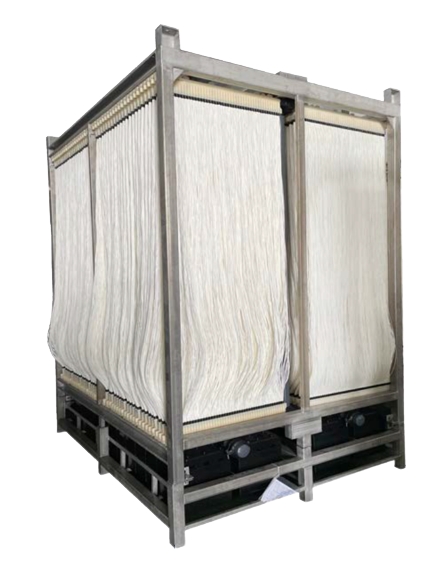
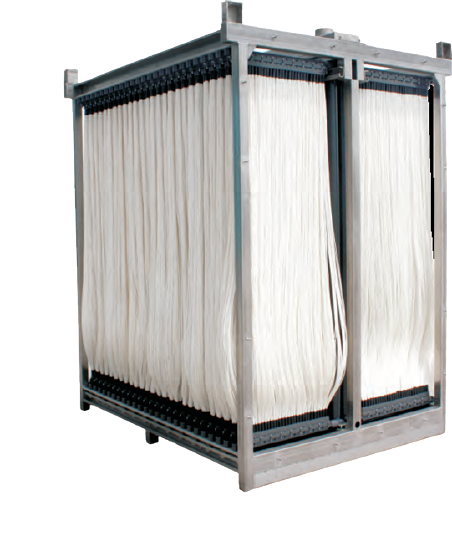
- Hollow fibre (HF);
- Flat sheet (FS);
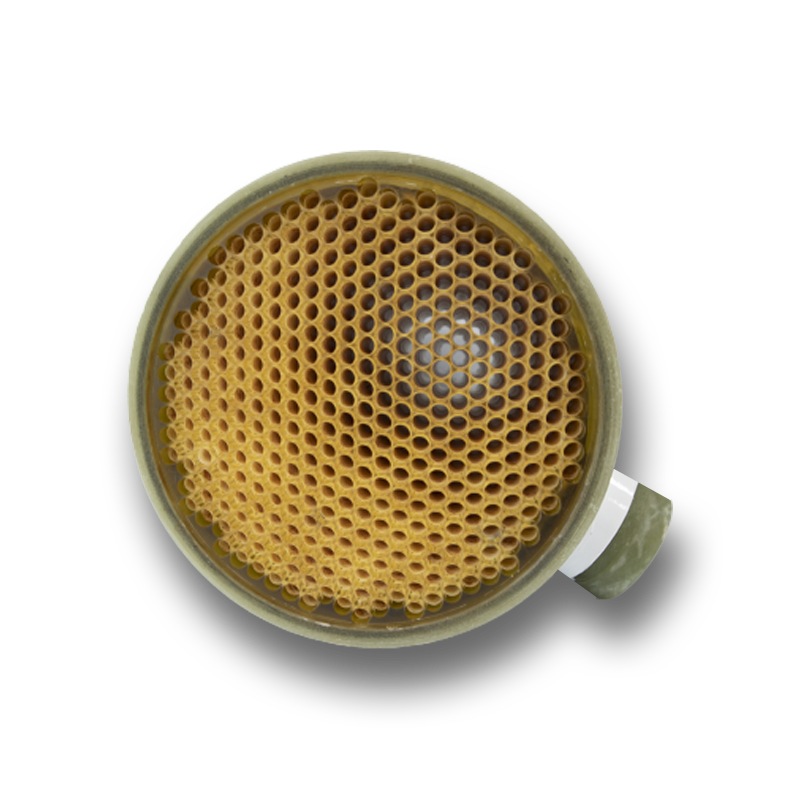
- Tubular (or multi-tubular, MT).
Spiral-wound (SW) membranes are not suitable for MBR applications because of their sensitivity to suspended solids contents.